
 Ben Coles on December 11, 2025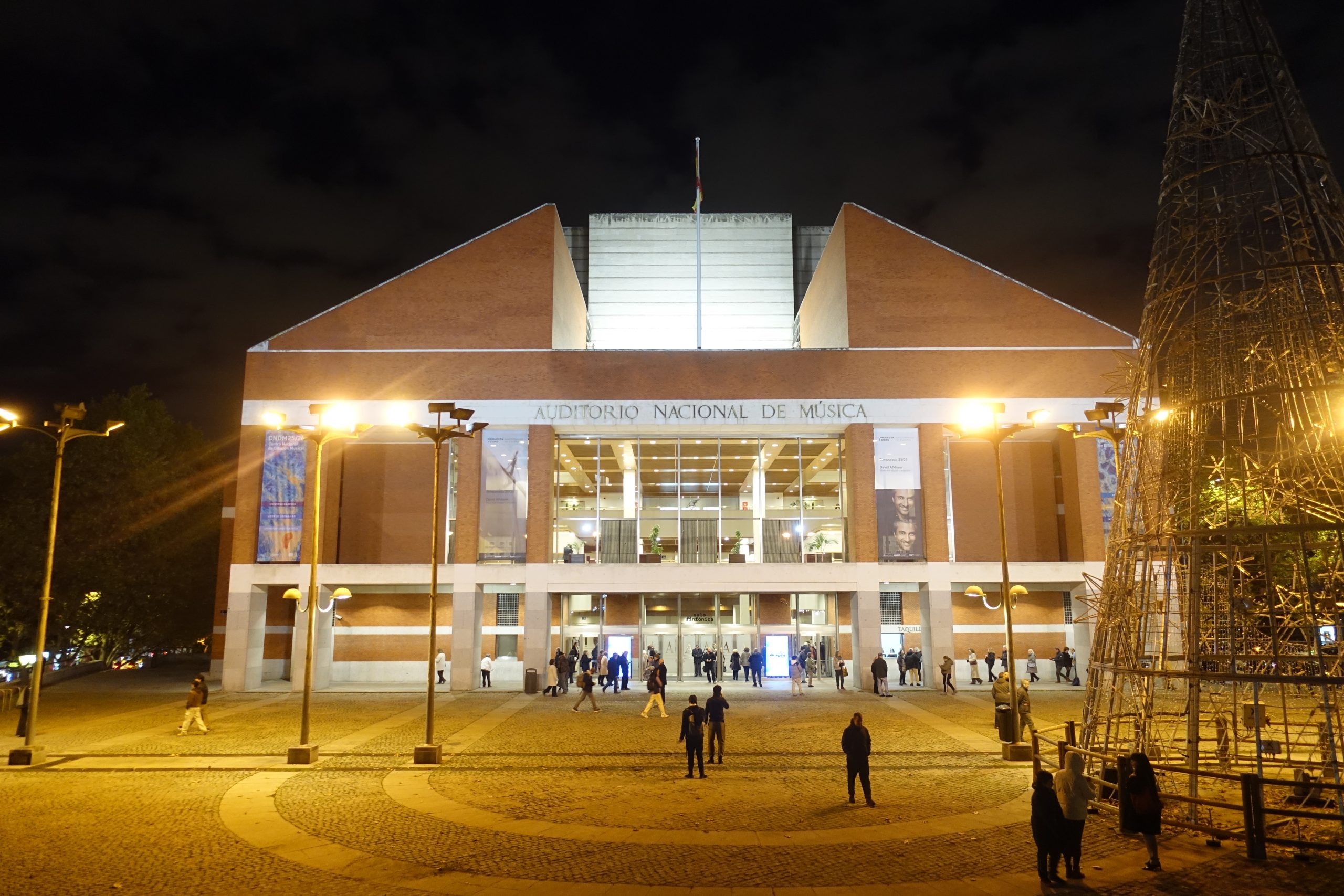
Opening night of two performances for the prestigious Ibermúsica 25/26 season. Sir Simon Rattle is in town with the Symphonieorchester des Bayerischen Rundfunks for a very special night of classical masterpieces at the Auditorio Nacional in Madrid. I arrived not as a seasoned classical listener, but as someone who is slowly and excitedly discovering this musical world.
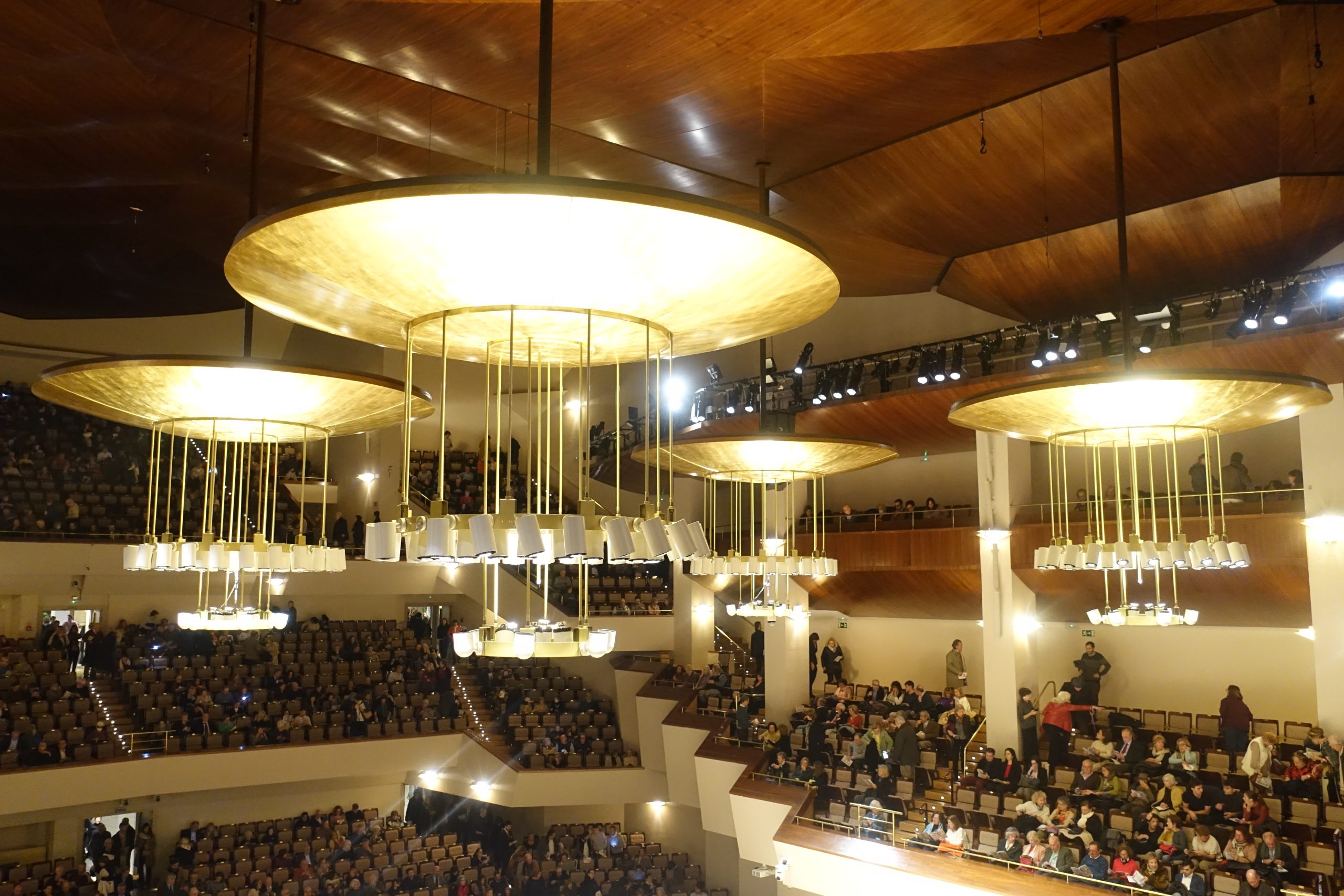
Entering the venue I immediately noticed a feeling of anticipation, that unmistakable sense that something special is about to happen. We took our seats and patiently waited for the show to begin…
L. JANÁČEK (1854-1928)
Taras Bulba
The first piece of the night, Janáček’s Taras Bulba, struck me immediately. It’s engaging from the first moment, but just as we settle into the sweeping beauty of the strings, the bells and horns chime in so prominently that we’re jolted into motion, and before we know it everything is in full flow.
This is a work of three movements: the first is turbulent and dramatic, shifting between tenderness and urgency; the second darker and more solemn, and the third the most expansive and triumphant, rising toward a blazing finale crowned by the organ. The sound of the organ surprised me. On recordings it often feels like a background colour, but here it rose through the hall with a beautifully rounded sound.
What really hit me about this piece was the range of colours and timbres. Taras Bulba moves quickly and restlessly, leaping from one section of the orchestra to another with an almost cinematic energy. One moment the strings are sweeping forward, the next the woodwind are fluttering above them, and then the brass arrive with their bold, bright tones. The harp, percussion and tubular bells are so important adding their own vivid details and rhythmic touches. It never stops evolving and entertaining.
The music reminded me of waves coming into the shore, rolling and breaking and gathering again. Rattle controlled the tide of sound effortlessly, letting each frequency rise and fall feel both naturally and intentionally. The tempo felt a little quicker than in the recordings I’d heard (which I loved!), it added an extra sense of drama and urgency. This piece has it all. Moments of tenderness and joy rise and fall, the whole thing felt far more modern and progressive than I had expected.
A. BRUCKNER (1824-1896)
Symphony No.7 in E major, WAB 107
If Janáček was elemental and fierce, then Bruckner’s Seventh opened up into a completely different kind of beauty. This piece is a movie, a story, a lifetime of emotion in 70 minutes.
The first movement opened with a quiet shimmer in the strings, a kind of hushed breathing, it felt like the start of a new day. Much of the movement reminded me of a perfect dawn in fact, gentle and warm and unhurried, I could almost hear birdsong in the background. Rattle shaped it with remarkable detail, energy and vigour. I’d never seen a performance like this. There were moments of real tenderness, with the instruments played so delicately and so quietly that at times you could scarcely hear them. It was completely captivating.
The second movement was the emotional centre of the night. The orchestra built the music slowly, layer upon layer, sweeping and gliding, then gathering weight as if marching us toward something important. This is an emotional and historical movement, Bruckner’s tribute to Wagner. I knew the famous cymbal crash was coming, yet when it finally arrived it took me by surprise – a thunderbolt of euphoria and enlightenment. I will never forget it. After that, the music settled into a long, peaceful descent that gave me space to breathe, to think, and simply to feel grateful for what I was hearing.
The third movement was actually my favourite. It had a swagger and a rhythmic bounce that made it feel almost playful, full of call-and-response between the different sections of the orchestra. It had a kind of groove to it that I hadn’t associated with classical music before. I felt more at home with this energy and rhythm.
The final movement was more intense than I expected, full of rhythmic energy and bright orchestral colour. After the emotional depths of the Adagio and the swagger of the Scherzo, this finale had a purposeful drive that carried the symphony toward a clear and confident close.
A perfect finale
The moment the final movement ended, the audience erupted. Applause filled the hall, sustained and heartfelt. Rattle took his time moving through the orchestra, thanking each musician with real warmth and deep admiration. The audience echoed that warmth in full.
I left the hall with a sense of wonder, and a quiet feeling that this is only the beginning.
A huge gracias y felicidades to Ibermúsica for organising such a wonderful evening. Their season is shaping up to be something truly special.
A night of kindred spirits
Throughout the night I found myself watching the musicians with awe. Every player on that stage represented a lifetime of practice, discipline and devotion. In a world increasingly dominated by AI, algorithms and instant solutions, there was something spellbinding about being in the presence of such essential human craft. No shortcuts, no filters, no amplification, just absolute mastery, honed over decades. It reminded me how irreplaceable this kind of artistry is.
Rattle has described Taras Bulba and Bruckner’s Seventh as kindred spirits, and hearing them together made complete sense. Both works reach for something almost unreachable, something transcendent and luminous, though they approach it in very different ways. For me, still learning how to listen, this night felt like a gift. Classical music is becoming something that aligns with the way I’m trying to live: slower, more attentive, and open to new kinds of beauty.